

Villa Rufolo and Gardens

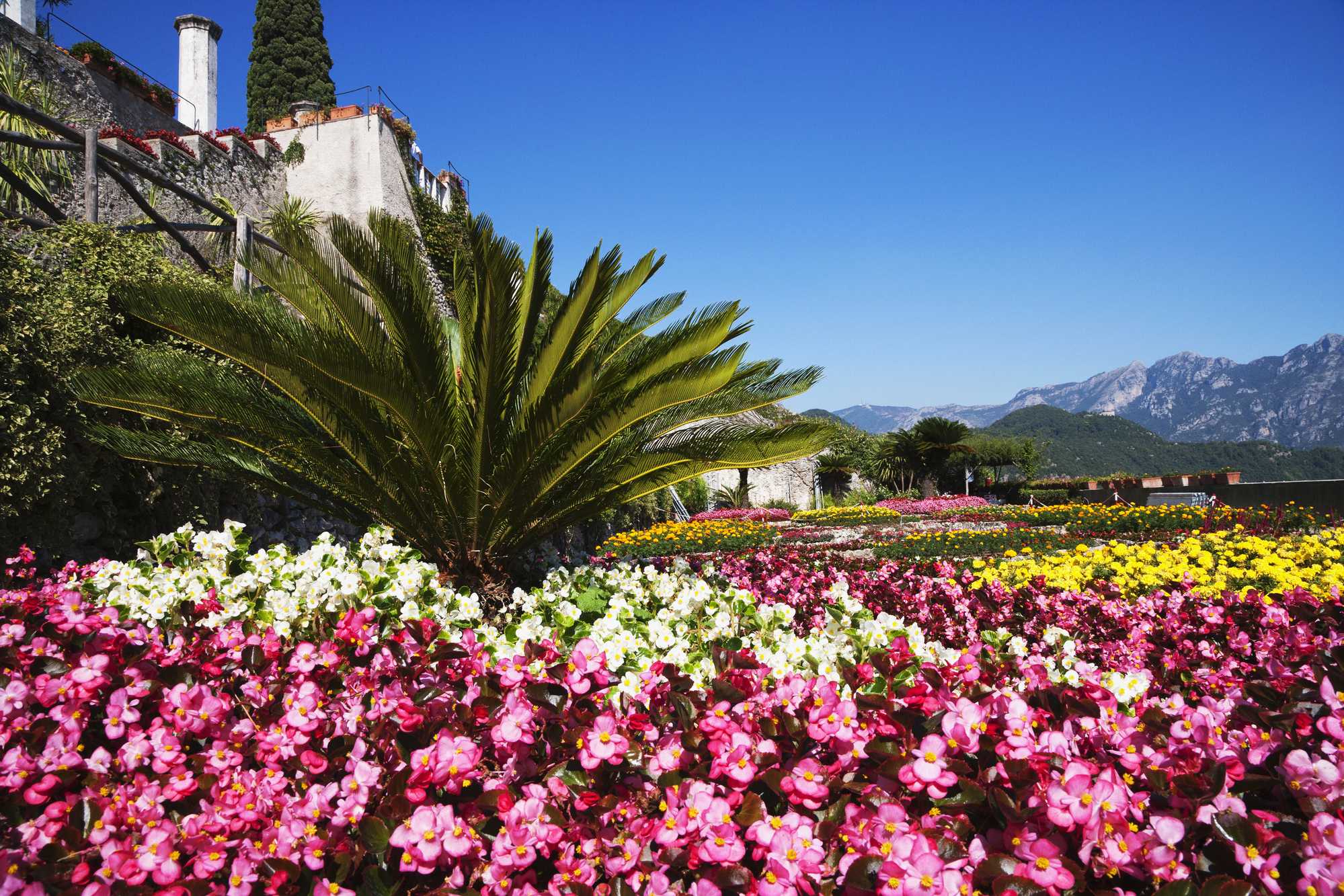
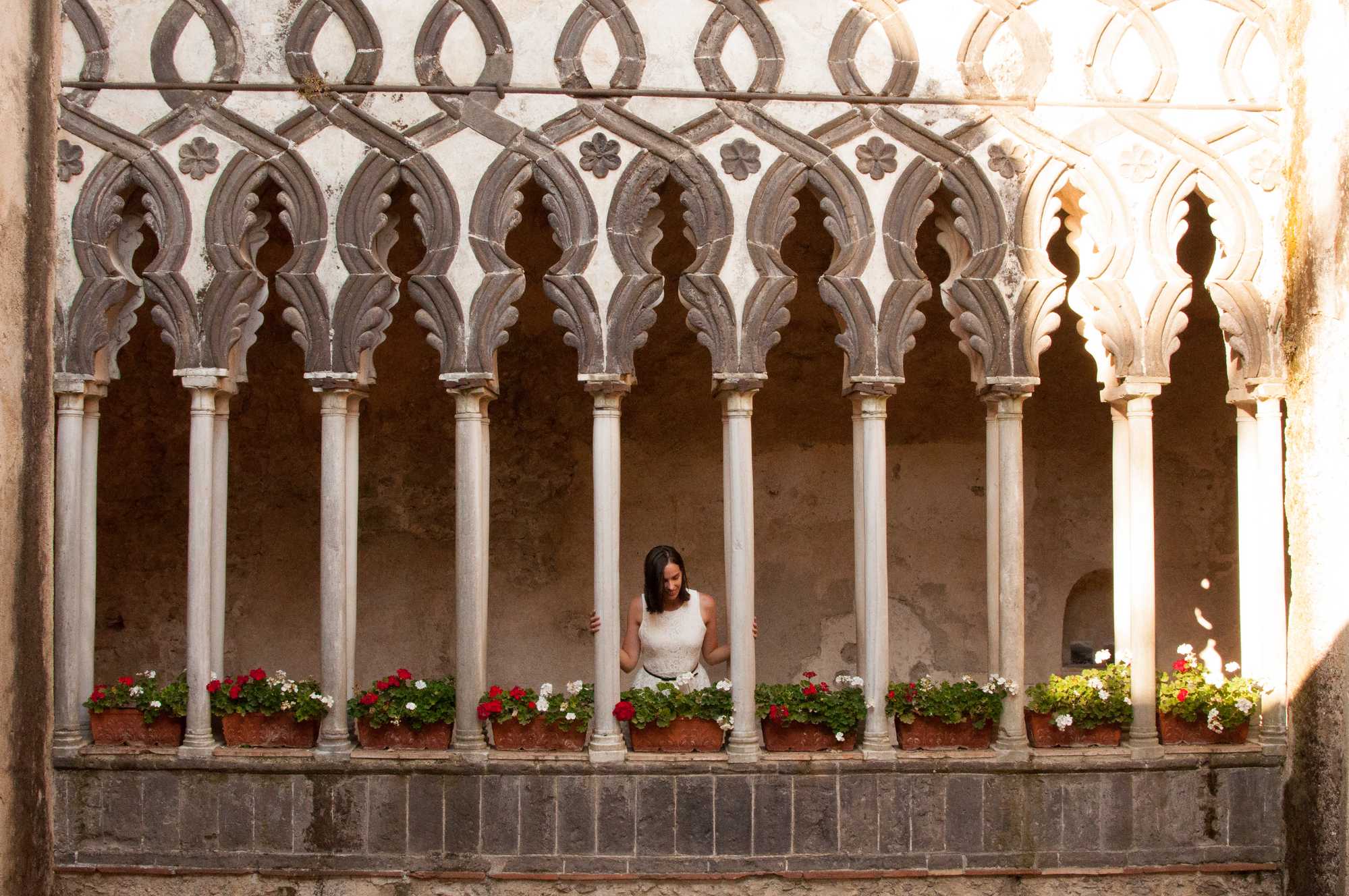
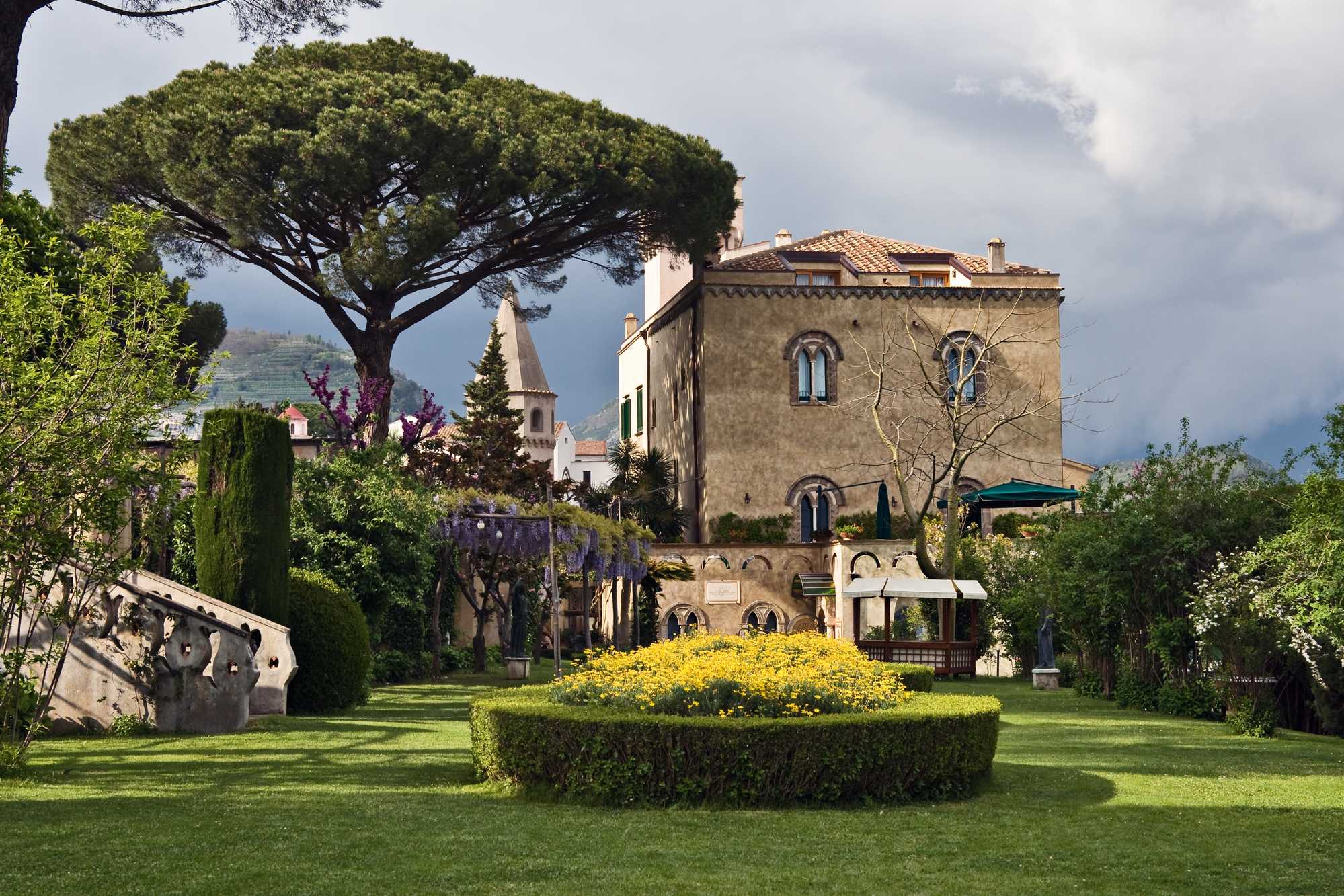
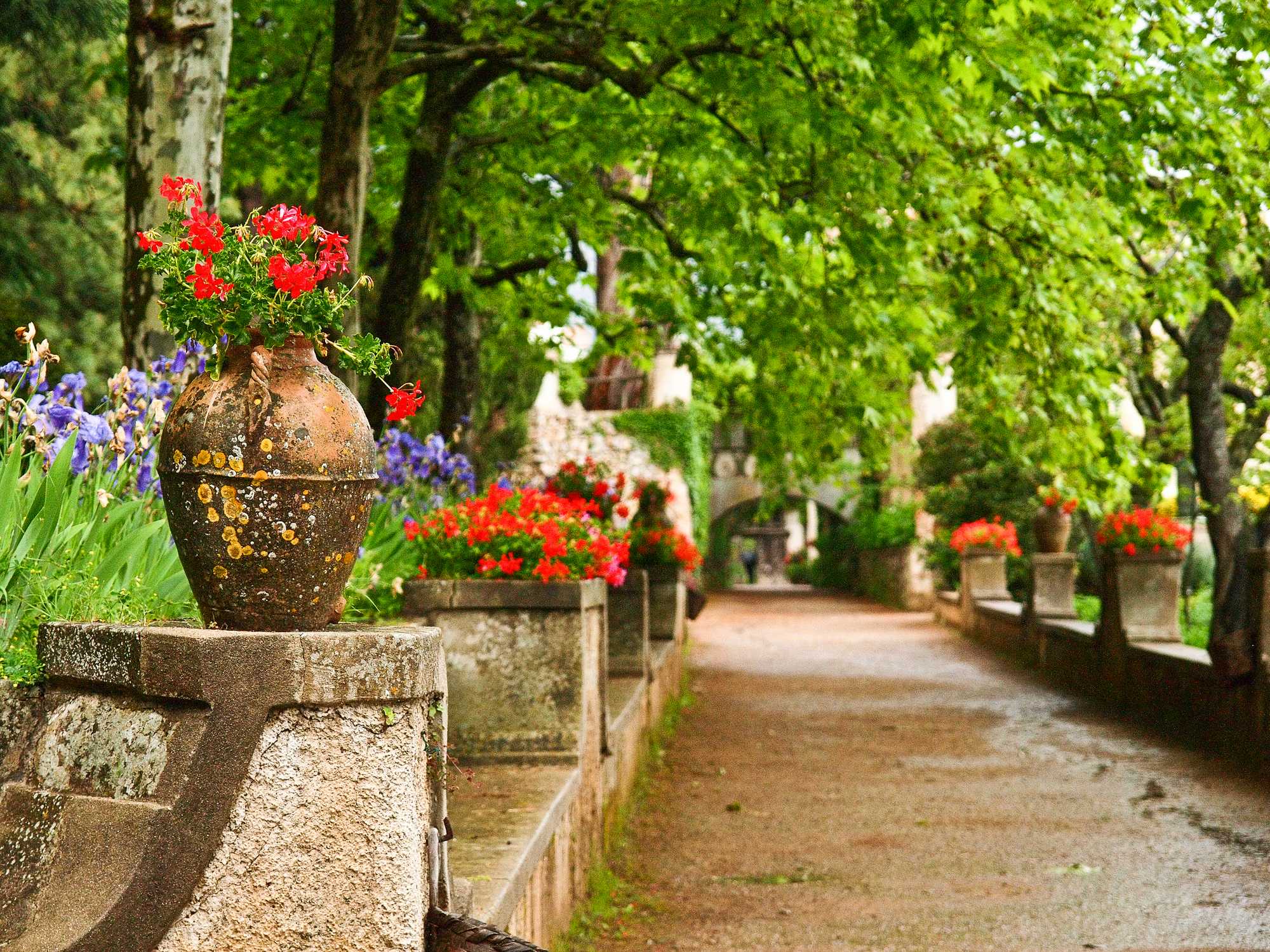
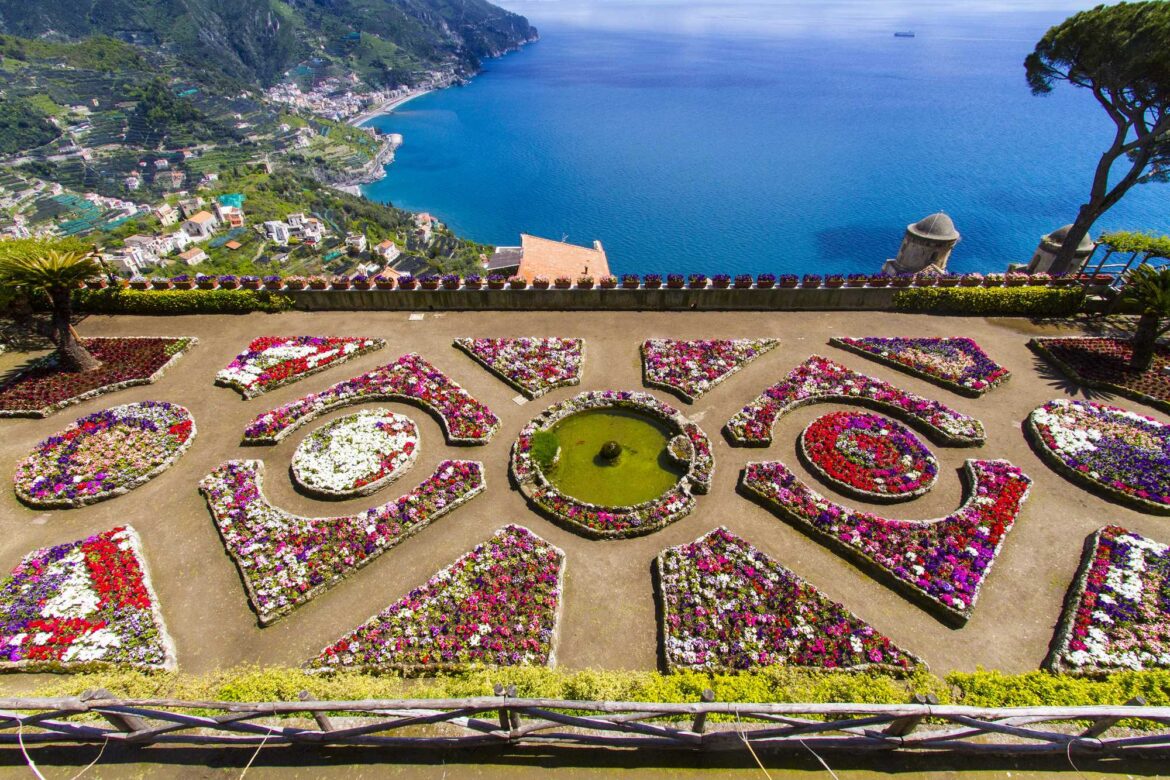
The garden of Villa Rufolo, known as the “Garden of the Soul”, occupies two levels and is reached by following a tree-lined avenue with a distinctly Victorian air. The ancient walls, almost hidden by cypresses and lime trees, leads to the Moorish cloister. You have time to savour the noble lines of the monument’s architecture before descending a few steps to the first level of the garden.

The redolent atmosphere infuses you with the spirit of the Romantic garden, with echoes of Boccaccio’s stirring poetry. The history of the garden can be divided up into three distinct phases:

  • The original phase, dating back to the 13th century, when the Villa was built.
  • The medieval phase, of which only a few traces remain, recalling the garden Boccaccio described on the first day of the Decamerone, when it may have extended all the way to the Mormorata, where the Rufolo family owned other land.
  • The Romantic phase, with Francis Nevile Reid as its genius loci, a Scottish philanthropist and expert on botany and ancient art, recognised in his appointment as Honorary Superintendent by the Prefect of Naples.
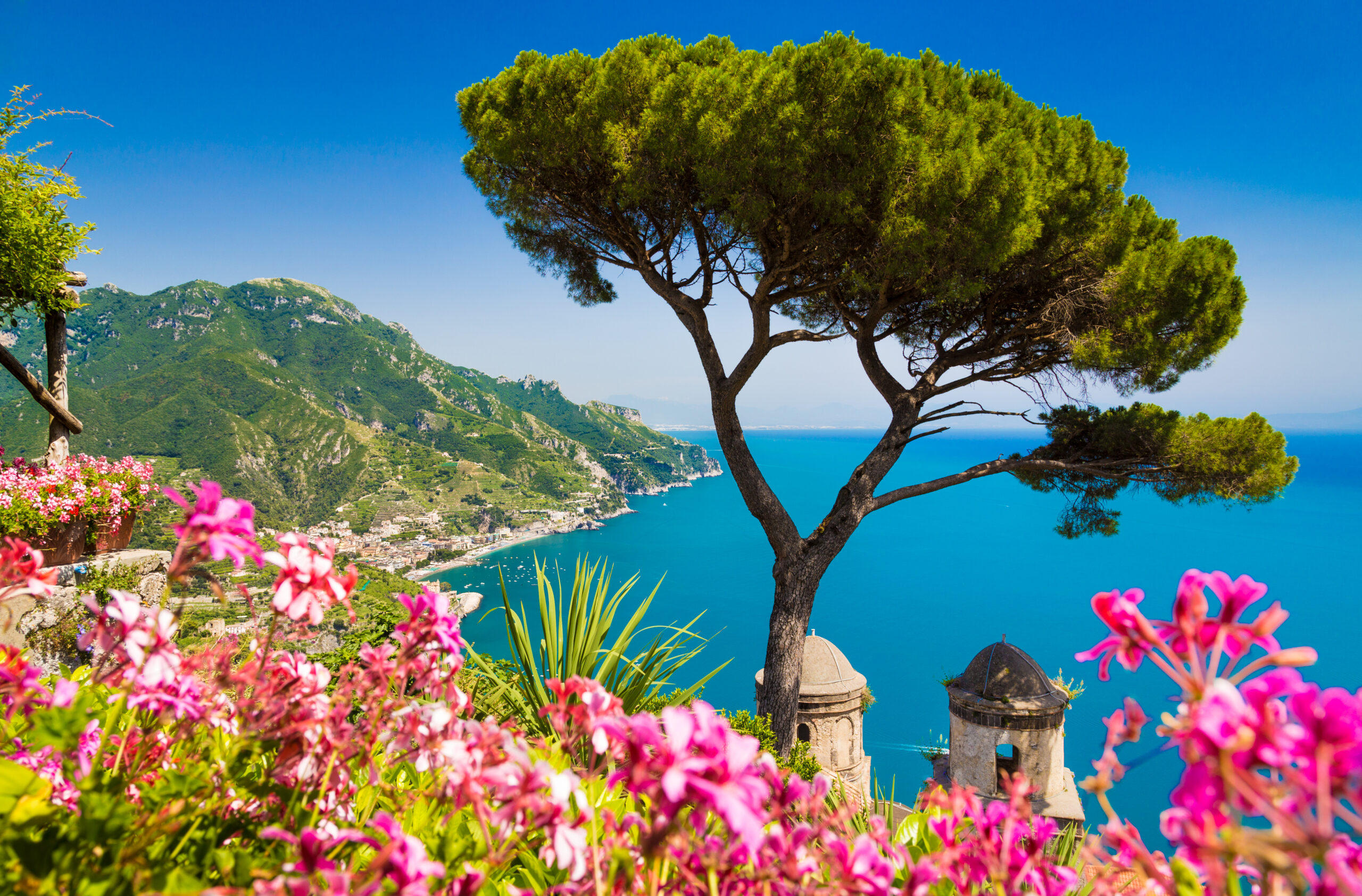
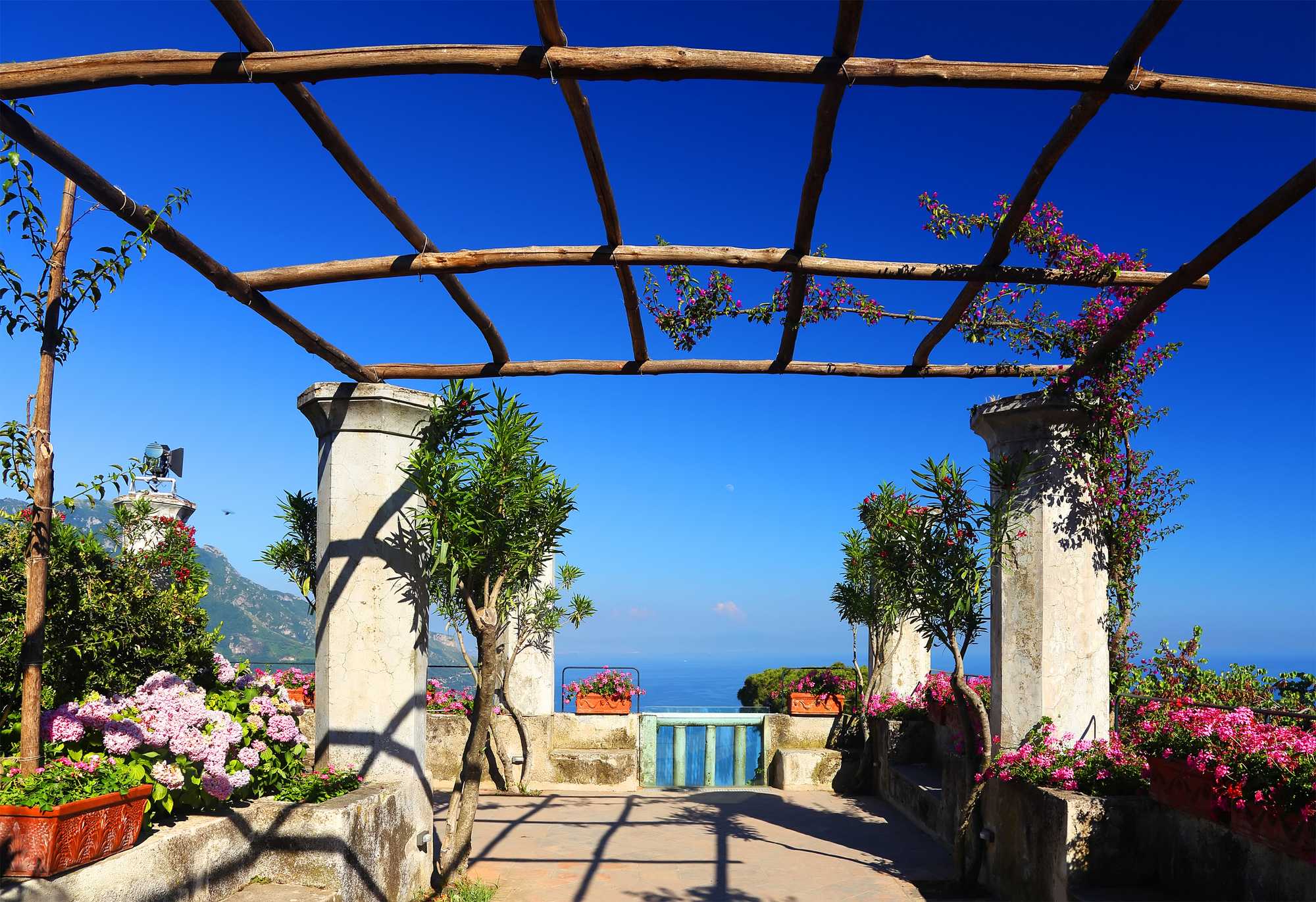
Reid’s tenure marked the renaissance of the gardens in Villa Rufolo and also the beginning of the Villa’s renown. It was in May 1880 that Wagner visited Ravello and “discovered” the enchanted garden of Klingsor as he had imagined it for his opera Parsifal. In his mind’s eye Wagner saw the imposing medieval tower collapse into the void and turn into a magical garden, with the tropical plants taking on the likeness of beguiling maidens, until the garden itself is transformed into a desert as Parsifal kills the wizard Klingsor.
Drawn by the mild climate and the beauty of the surroundings, Nevile Reid chose Villa Rufolo as his summer residence and began to stock the garden with various species of exotic plants.

In the course of time, and in particular in the twentieth century, the gardens have undergone a number of demolitions: during the war they were commandeered by the British forces; in 1951 they suffered from a particularly violent storm; and in 1955 the construction of the provincial road did away with the upper part of the garden.

LEARN MORE
http://www.villarufolo.it/home.html
https://www.ravello.com/attractions/villa-rufolo/
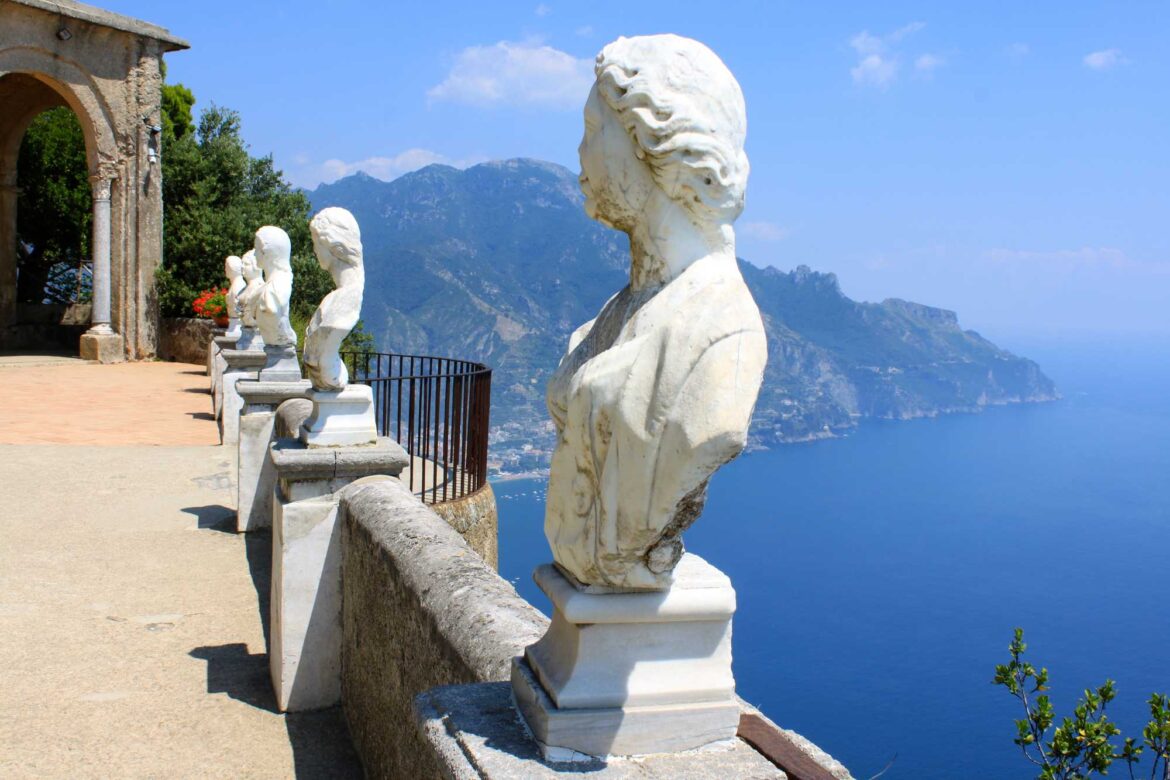
Villa Cimbrone Gardens Ravello

Sitting high atop a promontory that offers stunning views of the Mediterranean and the dramatic coastline below, the Villa Cimbrone is the crown laurel of Ravello.

Villa Cimbrones origins are very old, dating back to the eleventh century. The villa and its gardens were strongly innovated only later, precisely at the beginning of the twentieth century, by the English nobleman Lord Grimthorpe

Being now privately owned – Villa Cimbrone is one of the most luxurious hotels in the Mediterranean – it can only be visited in part.  The rich garden is open to the public: it is possible to go along Viale dell’Immenso, shaded by a dense wisteria cover, from which you can see the figures of the Four Dancers, behind colored hydrangeas and cherry trees. 

Viale dell’Immenso ends with the Statue of Cerere, which introduces the visitor to the Belvedere Terrace or Infinity Terrace: an incomparable natural balcony, adorned with marble busts from the 1700s. The view overlooks the crystalline sea of the Amalfi Coast, from the Cilento mountains to the tip of Licosa. Inside the park there is a natural cave, called Grotta di Eva, in which there is a statue of the goddess. 

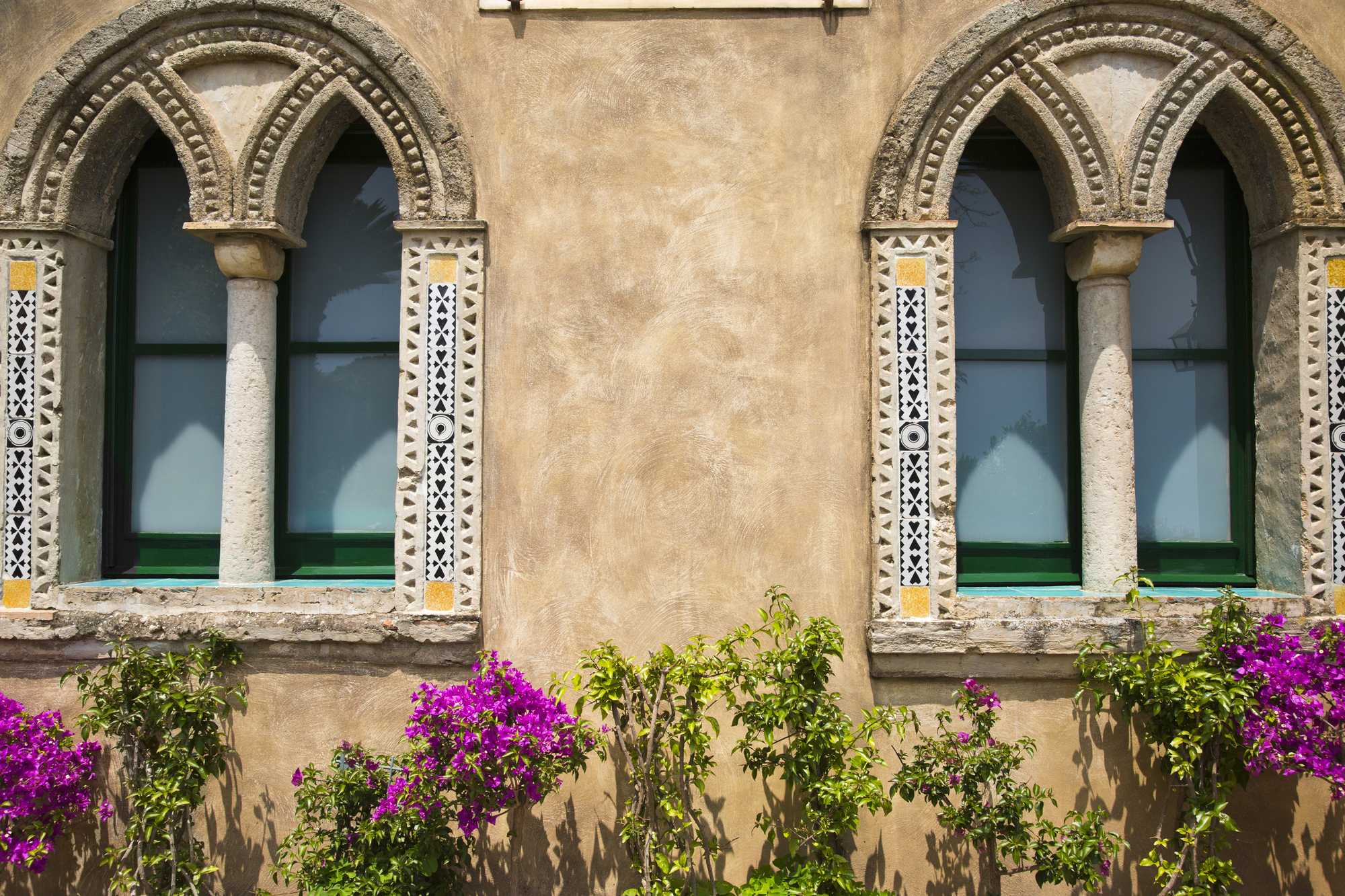
A ladder, covered by a wisteria trellis, leads to the Terrace of Roses, where beautiful and fragrant varieties flourish. At the centre there is a sundial in light stone, while on the sides there are four ornamental statues: Flora (Goddess of flowers and Spring), Leda with Swan and two fighters: Damosseno and Greucante. The Cloister of Villa Cimbrone, Arab-Sicilian-Norman style, is characterized by mullioned windows framed by pointed arches resting on spiral columns; the walls are decorated with bas-reliefs and ancient terracotta. 

The Crypt presents massive columns and a shaded interior from which you can see wide views of the Mediterranean Sea. Very special is the Tea-room, a place conceived as a living space in close communion with the surrounding nature. It is in fact a building with a rectangular plan, with a long side open on the rose garden, through arches supported by slender twisted pillars, decorated with majolica tiles.

READ MORE
https://www.ravello.com/attractions/villa-cimbrone/

“Twenty five years ago I was asked by an American magazine what was the most beautiful place that I had ever seen in all my travels and I said the view from the belvedere of the Villa Cimbrone on a bright winter’s day when the sky and the sea were each so vividly blue that it was not possible to tell one from the other.”

Gore Vidal

Sail Amalfi and Capri

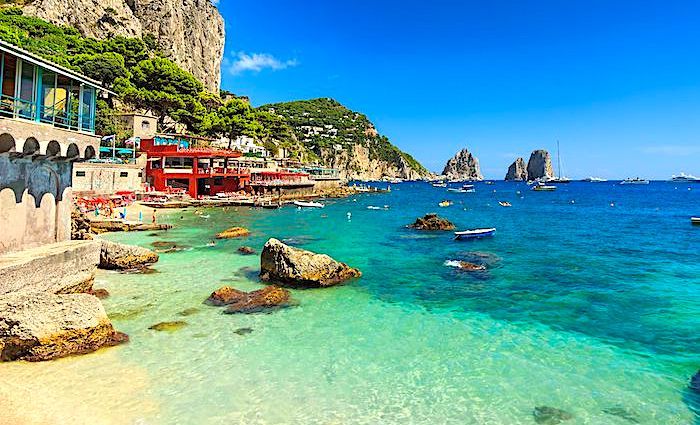
This private boat tour it’s definitely the most unforgettable way to spend a day discovering Capri and its coasts, exploring its hidden gems and caves, stopping in some spots to swim and snorkelling among various fishes and a lush coloured marine vegetation.

At the port you will be welcomed by our professional and English-speaking skipper: he will tell you all the legends and the traditional stories about Capri, also showing you some hidden spots, authentic treasures to unveil.

After a few minutes sailing you will meet the Li Galli islets, a small archipelago where, according to the Odyssey, lived the sirens. It’s very impressive to follow the steps of Ulysses, isn’t it?
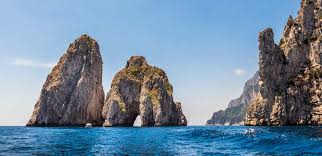
The Faraglioni rocks, the most famous symbol of Capri, will welcome you the most glamorous island of the whole Mediterranean Sea. The Faraglioni are three iconic towering rock formations, just off the island’s coast. 


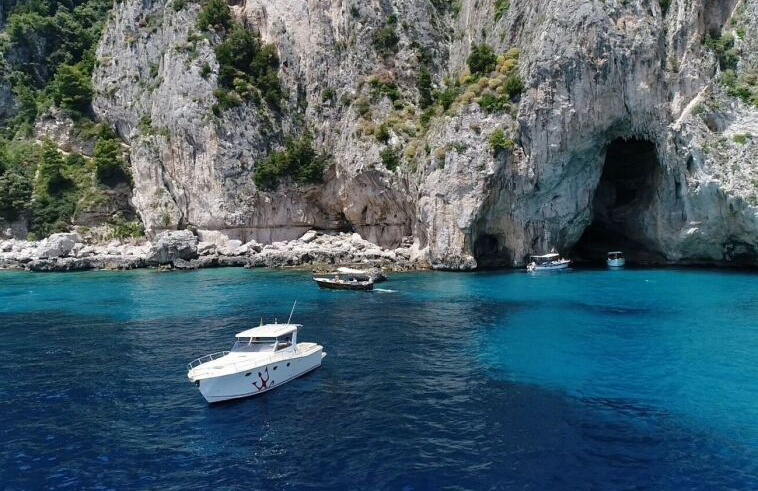
Time to swim in the fantastic Green Grotto! Once visited this fascinating grotto, you can swim for a while, enjoying the various species of fishes and the many starfishes. This spot is perfect for all the lovers of sea and snorkelling!
After the Green Grotto you will arrive to the Punta Carena Lighthouse, one of the most charming lighthouse of the Mediterranean see, a perfect glimpse to have a selfie with your partner or your travel buddies!

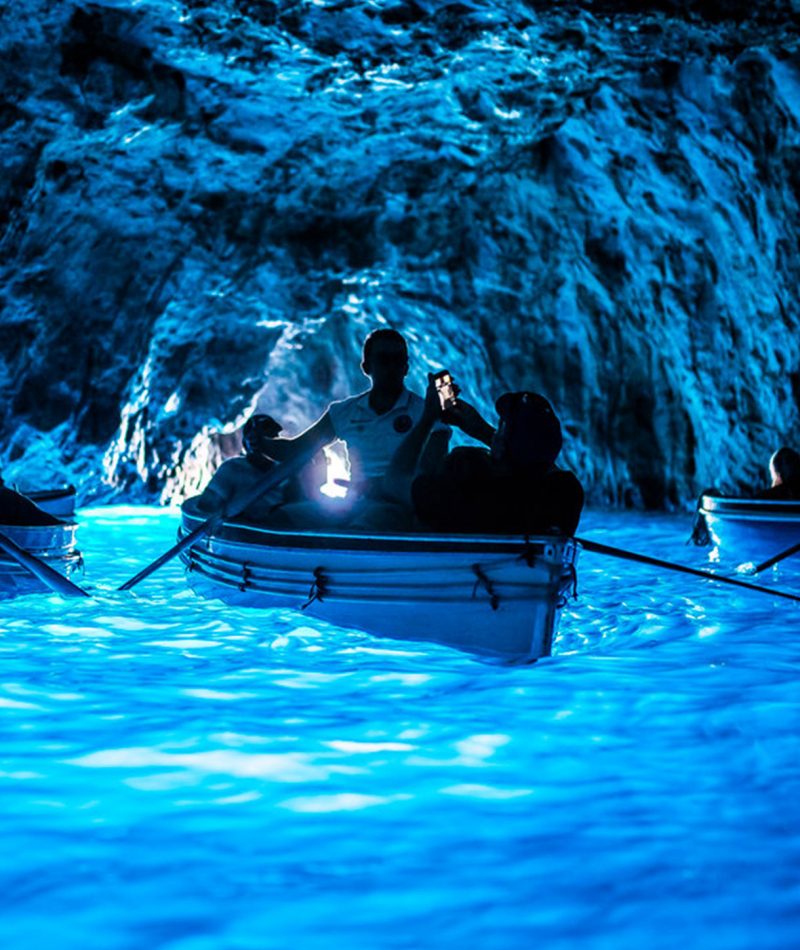
And now, ladies and gentlemen… the most celebrated attraction of the island, the Blue Grotto! You can visit the Blue Grotto only by using the small boats provided by a local company, the only one authorized to access to the grotto. 

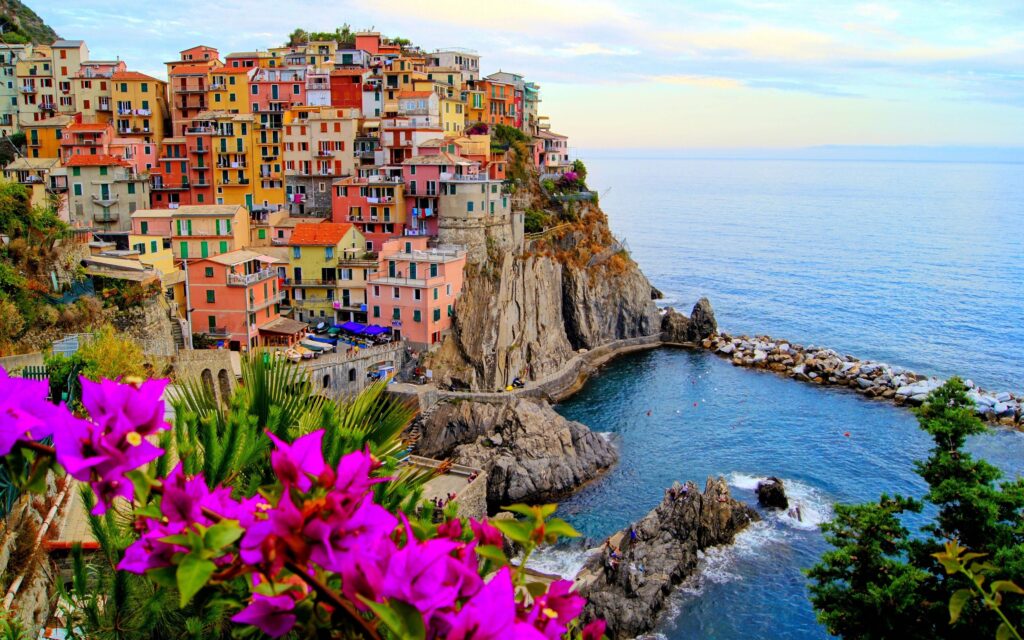
After lunch we will sail to the vertical city of Positano when you will have time to visit the historic centre, taste a glass of the authentic Limoncello or visit a “lemon farm”. Positano is famous for the many craftsmanship boutiques: you will simply love the sculptures, the paintings, and the leather goods. After sailing along the Amalfi Coast we will proceed back to Amalfi where you will disembark.

Mama Agata’s Cooking School

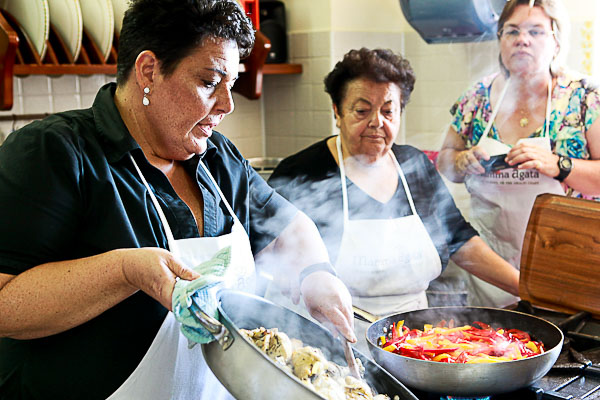
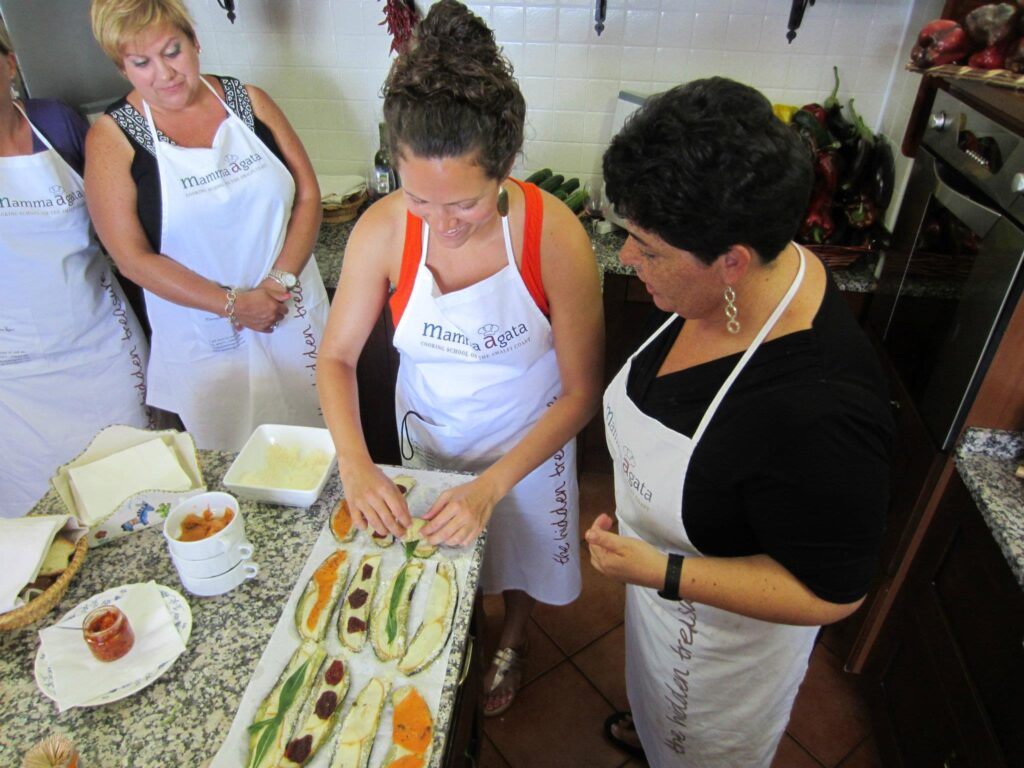
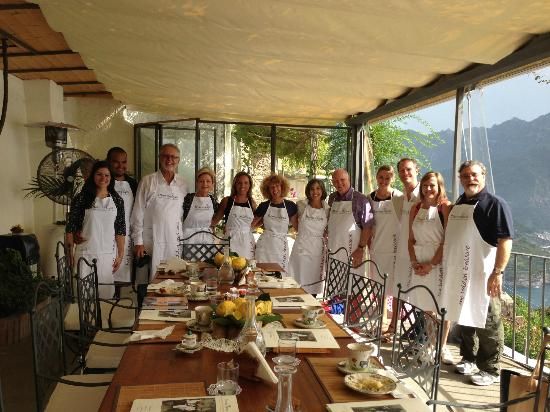
A cooking course with Mamma Agata is truly an unique experience. The cooking course is held in a state-of-the-art outdoor kitchen on a terrace in Ravello. The town of Ravello is located high above the Amalfi Coast, with views that stretch to Capri and beyond. It is a town famous for its music and culture as well as gastronomic events.

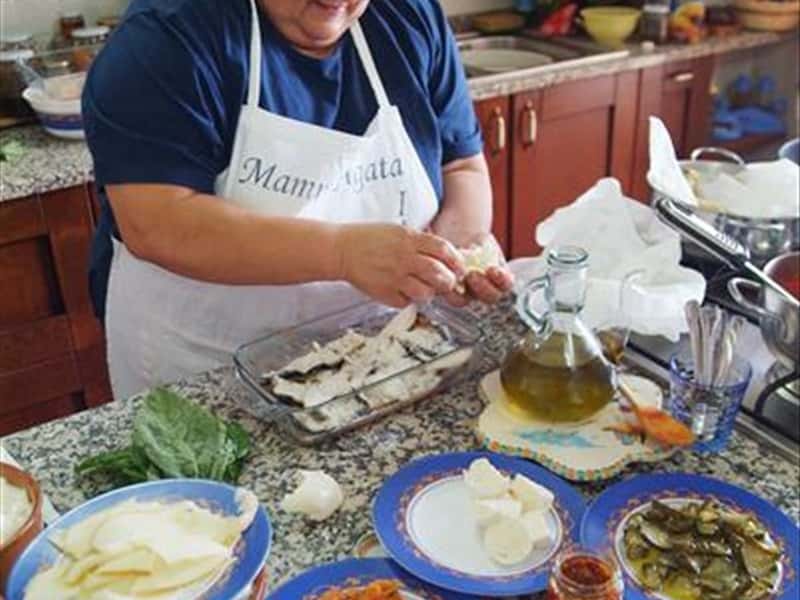
Mamma Agata has a vast experience in traditional southern Italian cuisine. Her life experience includes cooking for both Italian Heads of State and American celebrities that frequented Ravello in the 1950’s and 60’s, such as Humphrey Bogart, Elizabeth Taylor, and Jacqueline Kennedy and many others. She has been a private chef for international journalists, writers and politicians such as Susanna Agnelli.

Her extraordinary gift for homestyle cooking with regional ingredients comes across in everything she prepares. This is a “demonstration” cooking course where you will learn about the natural ingredients used, which are fresh picked the very same morning of each class. The Italian garden is located below the terrace, so each participant can also learn about growing the organic vegetables. On the same level is a small farm with free-range chickens, turkeys and rabbits.

Traditional dishes will include antipasti, pastas, breads, seasonal vegetable dishes as well as meat dishes. Last but not least are the cakes and marmalades! All the recipes will be clearly demonstrated in a warm and relaxed atmosphere. After the class, participants share in the beautiful meal, and enjoy the local wines of the Amalfi region. In a land where limoncello is famous, Mamma Agata also prepares liquors made from tangerine, apricot and fennel.